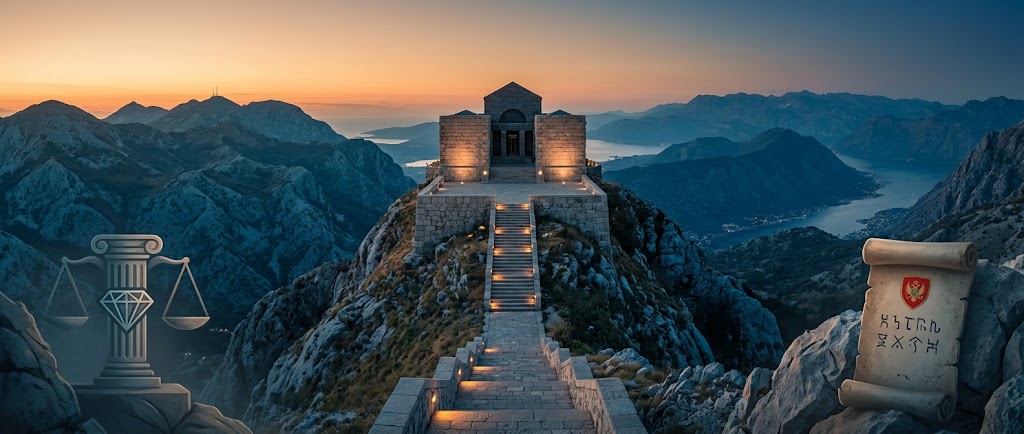




“…All the winds that live above you, Carry songs of joy and sorrow, Whoever sees you once in a lifetime, Cannot help but love you!…”
Montenegro, a country of magnificent natural beauty, has long attracted tourists from all over the world. Golden beaches, crystal-clear sea, majestic mountains and rich culture make our small country a paradise destination for visitors of various nations and faiths.
But which sector drives the Montenegrin economy? Is it:
- Tourism — with a multitude of hotels, restaurants and tourist attractions?
- The business sector — which brings more stable growth and diversification?
- Or a combination of both?
Tourism — the engine of growth
There is no doubt that tourism is a key player in the Montenegrin economy. This sector:
- Contributes significant revenues through taxes and fees from tourists
- Directly employs thousands of people
- Further stimulates many other activities
- Promotes the culture and tradition of Montenegro
Not only the service sector benefits from tourist attractions, but also various other sectors — construction, trade, agriculture.
Driver of infrastructure development
Montenegrin tourism has been the driver of:
- Development of road infrastructure — construction of modern motorways and regional roads connecting the central part with the north and south
- Expansion of airport capacity in Tivat and Podgorica — a greater number of charter flights and destinations
- Expansion of accommodation capacity — hotels, apartments, tourist facilities of various service levels
Business — a stable partner
Although tourism attracts attention and brings significant revenue, we must not forget the importance of the business sector. Montenegro is home to many successful companies in various industries:
- Agriculture and the food industry
- IT
- Financial services
These companies not only create new jobs — they also contribute to strengthening export potential and attracting foreign investment. Investors invest in real estate, energy, infrastructure and the IT industry.
Business drives infrastructure
The business sector has contributed to the development of:
- Transport routes
- Tourist, digital and energy infrastructure
- Industrial zones
Infrastructure development — driven by tourism and business — not only improves citizens’ quality of life, but also creates a virtuous circle: better infrastructure attracts more tourists and businesses, which further stimulates its improvement.
Challenges and the voyage to prosperity
Sun and profit are catalysts moving Montenegro forward. But for the tandem to continue to function for the benefit of all, economic interests need to be balanced with:
- Preservation of natural resources
- Social justice
Only then will Montenegro retain its status as a magnet for tourists and investors.
Challenge: seasonality of tourism
Tourism traditionally faces a seasonal character — visits are concentrated in the summer months. This creates a need to extend the season through:
- Winter tourism
- Wellness tourism
- Cultural tourism
Challenge: global market fluctuations
The business sector, although promising, can be sensitive to global market fluctuations. What helps:
- Diversification of export products and services
- Creation of a more favourable business environment
The key to the future — joint sustainable development
The key to the future of Montenegro lies in the joint and sustainable development of tourism and business. We need:
- Innovation in both sectors
- Focus on digitalisation and sustainable practices
- Quality, not just quantity
Montenegro should develop:
- Tourism that values natural and cultural resources
- A business sector based on innovation and high added value
Conclusion
Montenegro has all the resources to sail successfully towards prosperity. With strategic development of tourism and business — which complement and stimulate each other — Montenegro can build a strong and resilient economy for the future.